
The Executive Director Notebook is an occasional series in which AIHP Executive Director Luc Richert shares reflections on his work, professional experiences, and travels, offering a more personal perspective on the life and mission of the Institute.
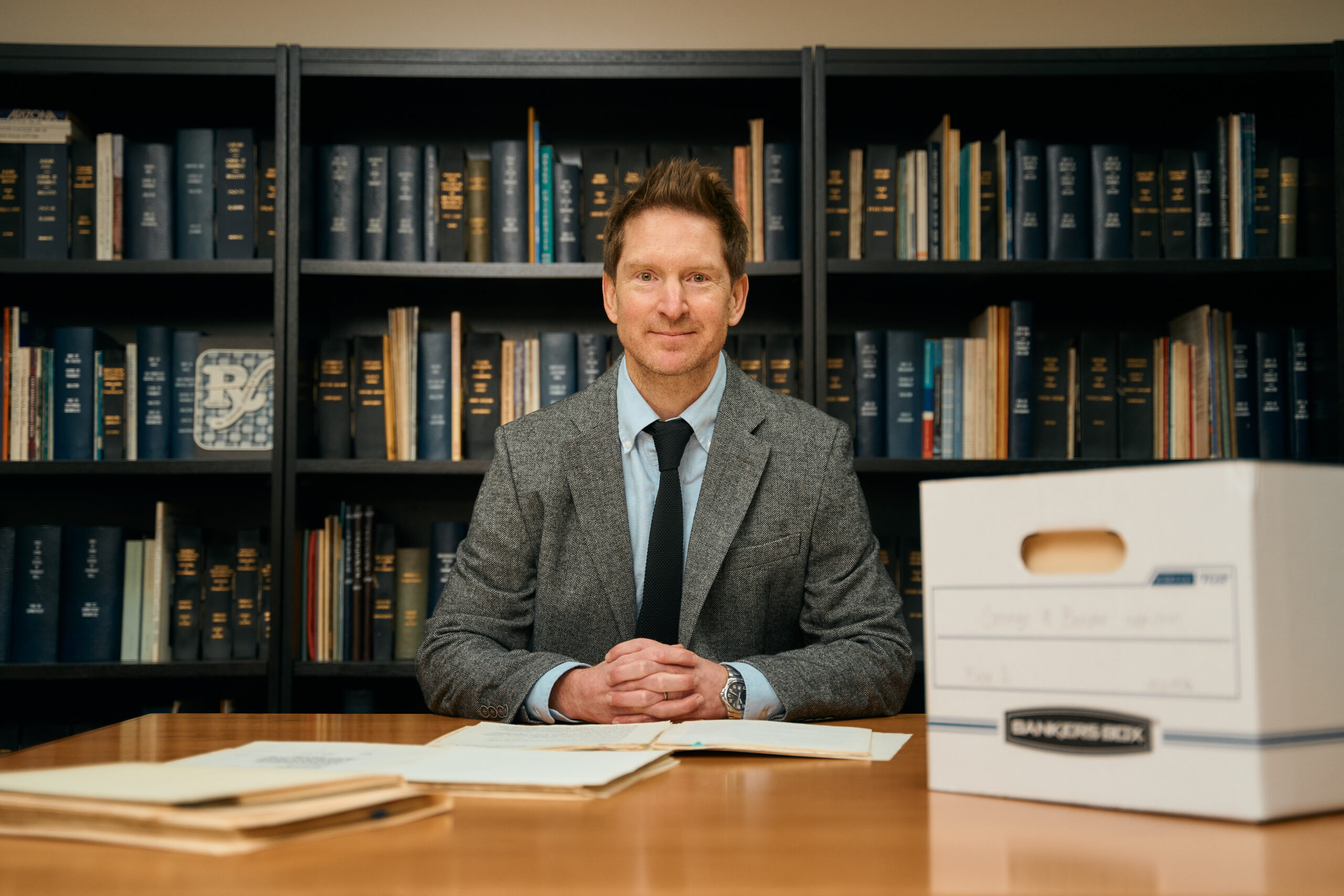
I flew into Los Angeles this past March to attend the annual meeting of the American Pharmacists Association (APhA), an organization that has anchored the professional life of pharmacy in the United States since 1852. The gathering took place against the backdrop of a rapidly evolving pharmacy landscape in 2026, and the conference theme—Redefining Possible—captured that moment well. The phrase reflected a profession actively reassessing its boundaries—clinical, institutional, and conceptual—and thinking carefully about how pharmacists’ roles are expanding amid regulatory change, new technologies, and shifting public expectations.
I was glad to take part in the House of Delegates, attend sessions, and catch up with friends and colleagues. But the trip also marked a meaningful moment for me personally. I was there to receive one of the Association’s distinctions: Honorary Membership.
The meeting was held at the Los Angeles Convention Center, a vast modern complex in the heart of downtown, and I was immediately struck by its scale. The Convention Center is expansive—long corridors, high ceilings, and broad meeting halls designed for thousands of people moving through them at once. Inside, it felt like a temporary city devoted to pharmacy. Attendees streamed from session to session, paused in clusters of conversation between talks, and filled exhibition spaces with questions, reunions, and introductions. The sheer scope of the meeting was striking.
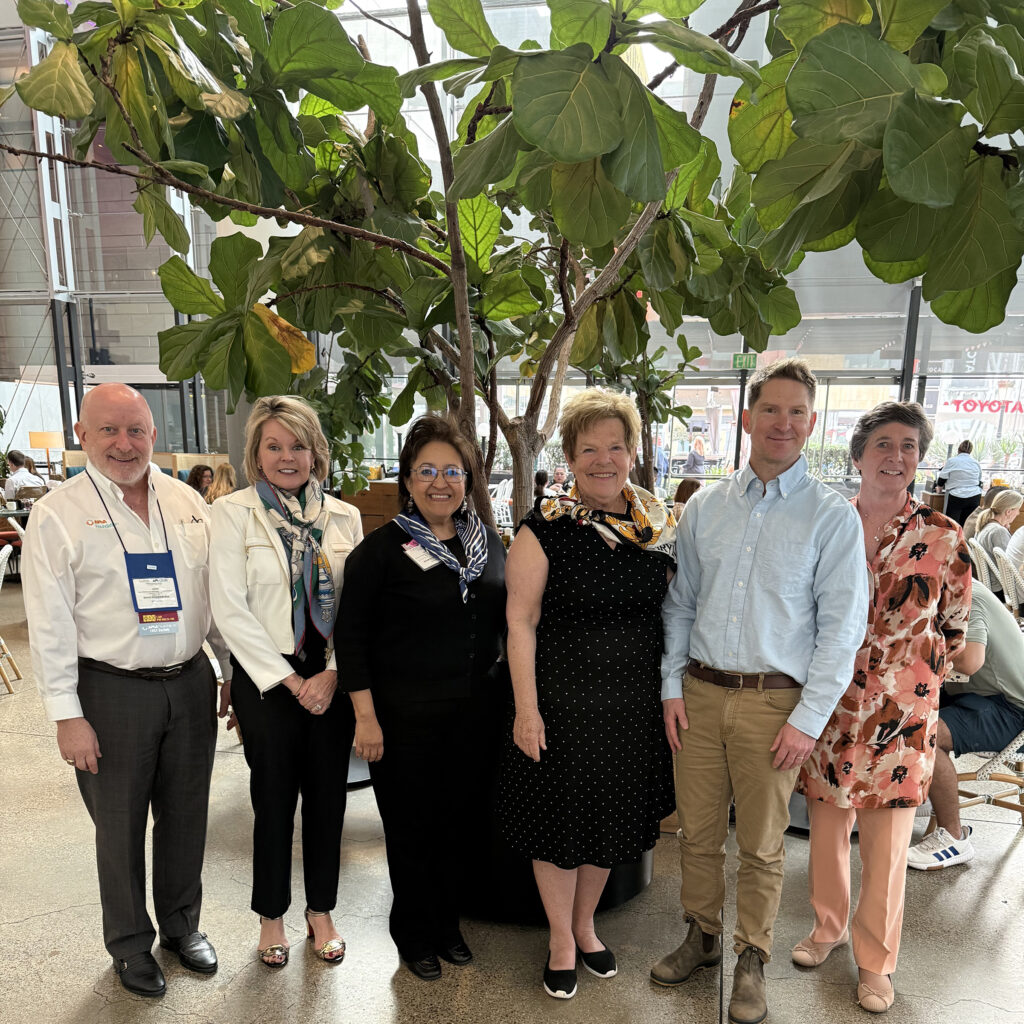
One of the personal highlights of my time in Los Angeles came early, over breakfast on Saturday morning with members of the American Institute for the History of Pharmacy Board (AIHP) —John Grabenstein, Susan Cantrell, Nancy Alvarez, Cynthia Boyle, and Lucinda Maine. (Pictured here from left to right, with me standing between Cynthia and Lucinda.) These are people I work with closely in a formal sense, but whom I am also fortunate to call friends and colleagues. Sharing a meal together before the day’s sessions began offered a grounding moment amid the scale and intensity of the conference. Conversation moved easily between organizational matters, reflections on the profession, and stories accumulated over long careers of service and leadership. Sitting around the table, it was impossible not to feel the depth of collective experience, generosity, and commitment that sustains AIHP’s work.
Throughout the meeting, I had numerous conversations with pharmacists at different career stages repeatedly returned to questions of change. Many spoke about shifting scopes of practice, evolving expectations, and the pressures shaping the profession today. As a history-focused attendee, someone who cares about changes over time, I was struck by how openly these issues were discussed, and by how naturally historical perspective entered those conversations—as a way of contextualizing uncertainty and grounding ambition.
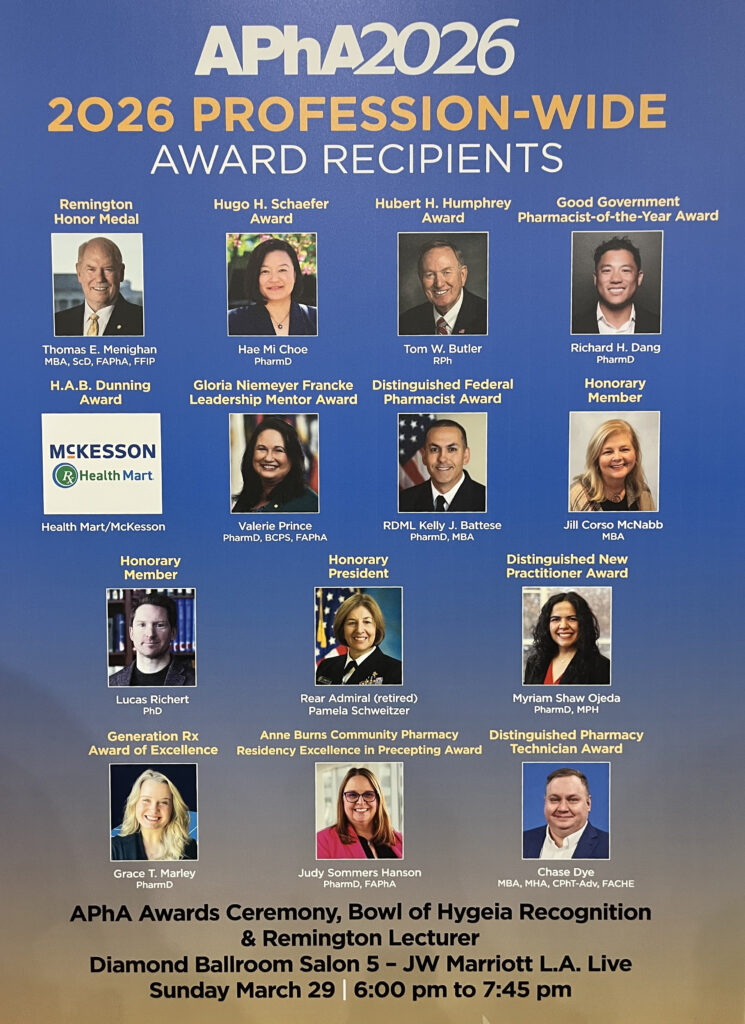
On Sunday evening, the APhA awards program began, and I felt grateful to be included among a remarkable group of honorees. The Honorary Membership distinction, which dates back to 1924, is conferred by APhA’s Board of Trustees to individuals whose sustained work has had a significant impact on pharmacy, its practitioners, and public health.
For me, the recognition is inseparable from the work of the American Institute for the History of Pharmacy. For more than eighty-five years, AIHP has served as the profession’s historical steward—preserving records, supporting research, and creating space for reflection on pharmacy’s scientific, social, and ethical foundations. Through its archives, publications, programs, and collaborations, the AIHP has helped ensure that pharmacy’s past remains accessible and usable, not simply commemorated.
In my roles as Historical Director and, more recently, Executive Director, my aim has been to build on the AIHP’s legacy. Much of what I have been fortunate to help advance—expanding access to archival collections, supporting new scholarship, encouraging interdisciplinary work, and engaging wider audiences—has been collaborative by nature. That work depends on dedicated staff and board members, generous donors, curious scholars and students, and pharmacists willing to see their own histories as resources for thinking through present challenges.
What gave the Honorary Membership a particular resonance for me was its deeper historical echo. George Urdang—who co‑founded AIHP and whose name now designates the endowed research chair I hold—was himself awarded Honorary Membership in 1932. A well, over the years, I have written about many past recipients of the same honor, individuals who have profoundly shaped the history of pharmacy, pharmaceuticals, and health policy: figures such as Henry Waxman, C. Everett Koop, Charles Edwards, and various others. The award placed my own work—so often focused on interpretation, context, and historical distance—into a lineage of people whose ideas and actions helped define what pharmacy has been and what it might yet become.
Seen in that light, the Honorary Membership felt less like a personal distinction than an affirmation of the value of historical work within the profession itself. It suggested that APhA’s call to redefine what is possible extends beyond practice models alone, encompassing how the profession understands its past and uses that understanding to navigate change—whether in regulation, professional identity, scientific knowledge, or public trust. Walking to the stage and receiving the plaque from Randy McDonagh, I was acutely aware that the recognition reflected shared efforts accumulated over many years rather than my individual achievement alone. It functioned as a pause—a moment to take stock of collective work and consider conversations still unfolding.
The questions I carried with me were forward-looking: what is possible for AIHP in the years ahead? And how might we continue to redefine ourselves—thoughtfully, collaboratively, and ambitiously—to achieve growth while remaining faithful to our mission?
Leaving Los Angeles, I felt a deep sense of gratitude—for the honor itself, for the generosity of colleagues, and for the opportunity to engage directly with a professional community I have long studied. I caught a red-eye flight back to Madison late Sunday evening after the Remington Medal Awards Dinner and quickly fell asleep on the plane, with thoughts of AIHP’s future already dancing in my head.