
Although Valentine’s Day has been celebrated in Europe since the middle ages, it would not become a commercialized holiday until after the industrial revolution. Drawing on the folk traditions which preceded the commercialization of the holiday, the mass production of cards, candies, and trinkets would make the holiday increasingly profitable.
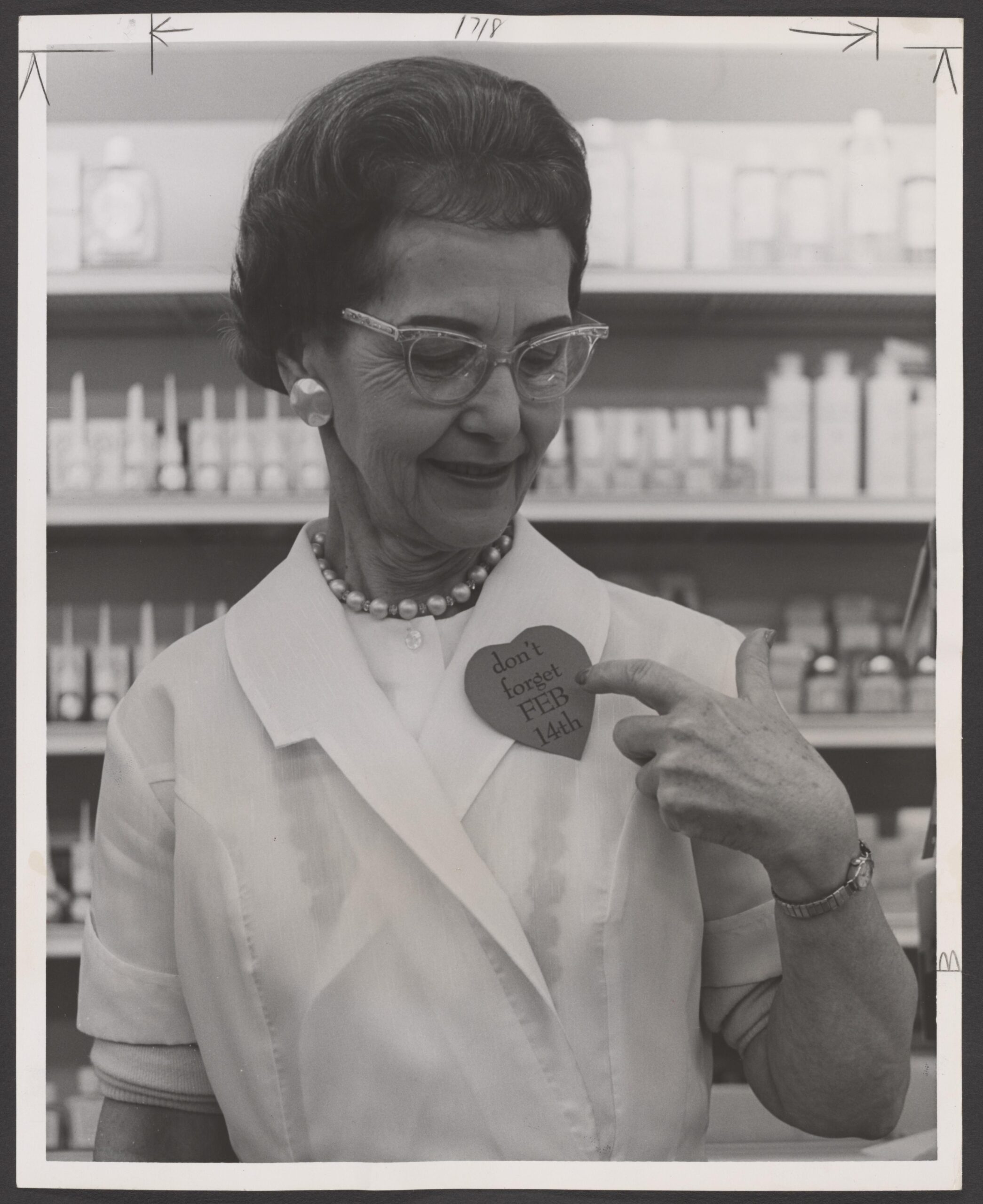
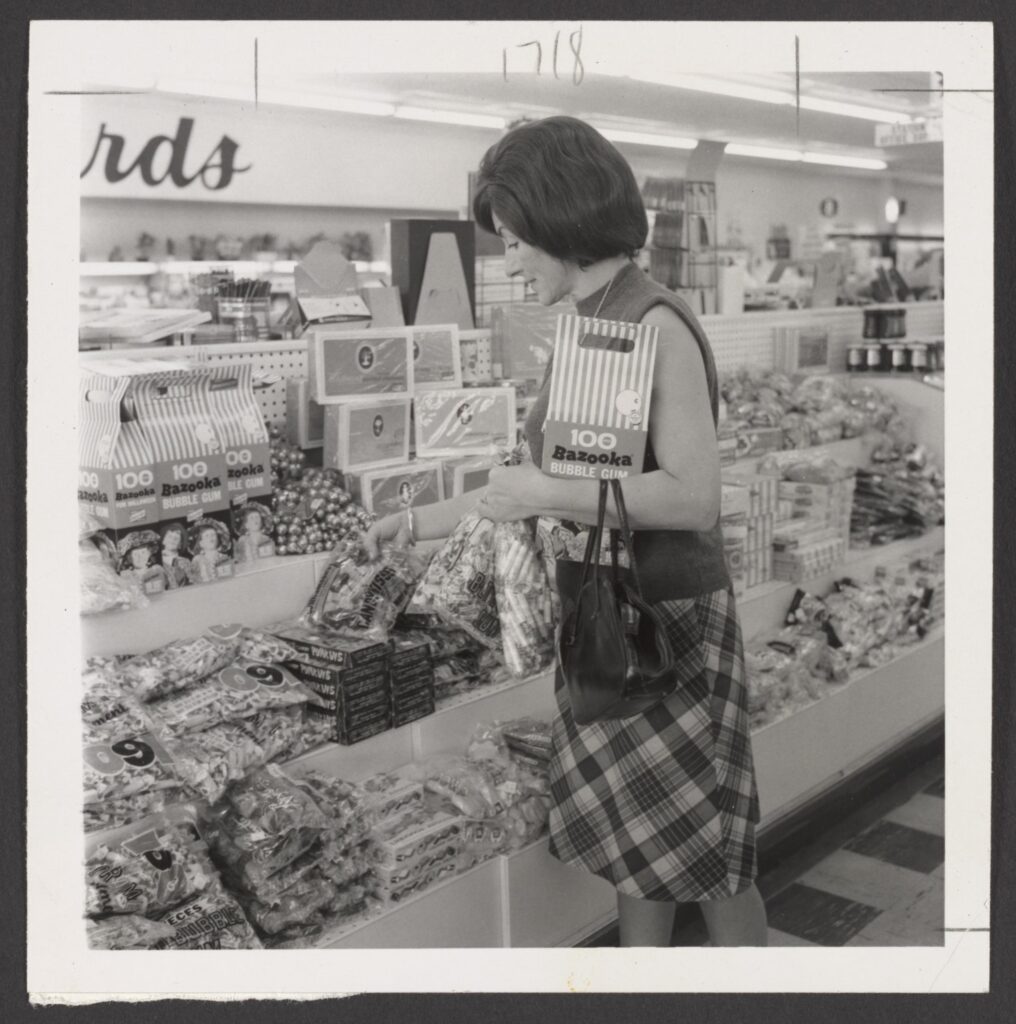
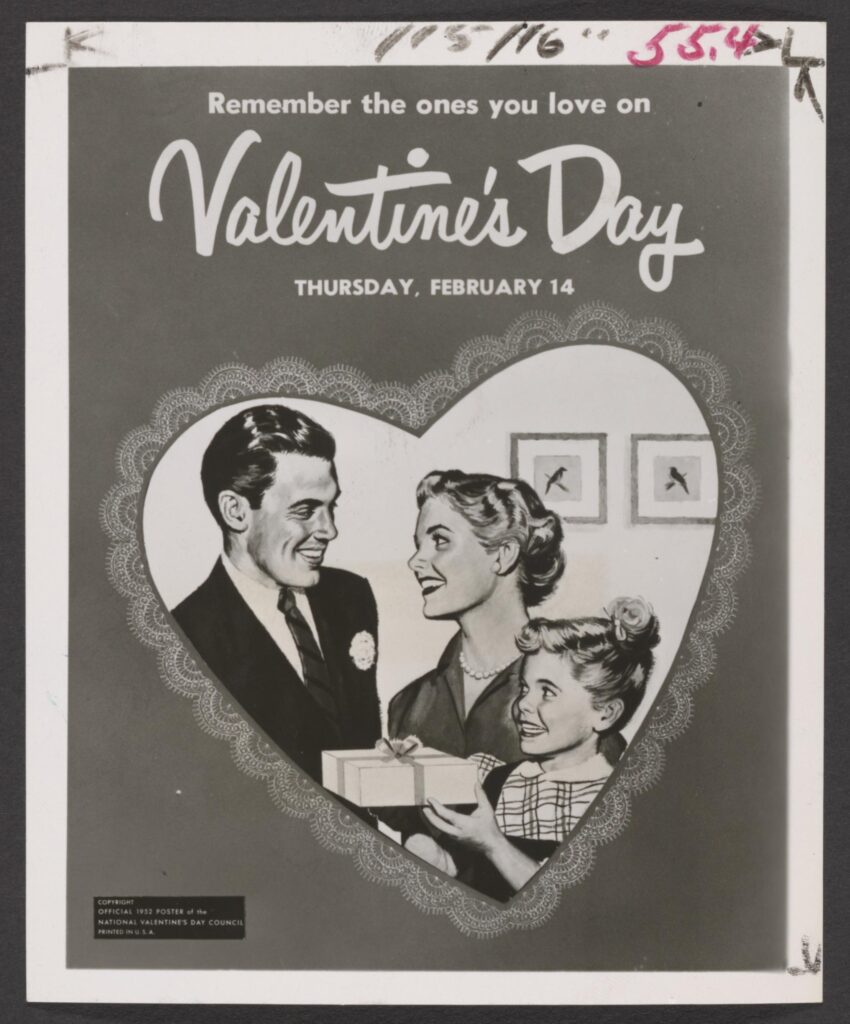
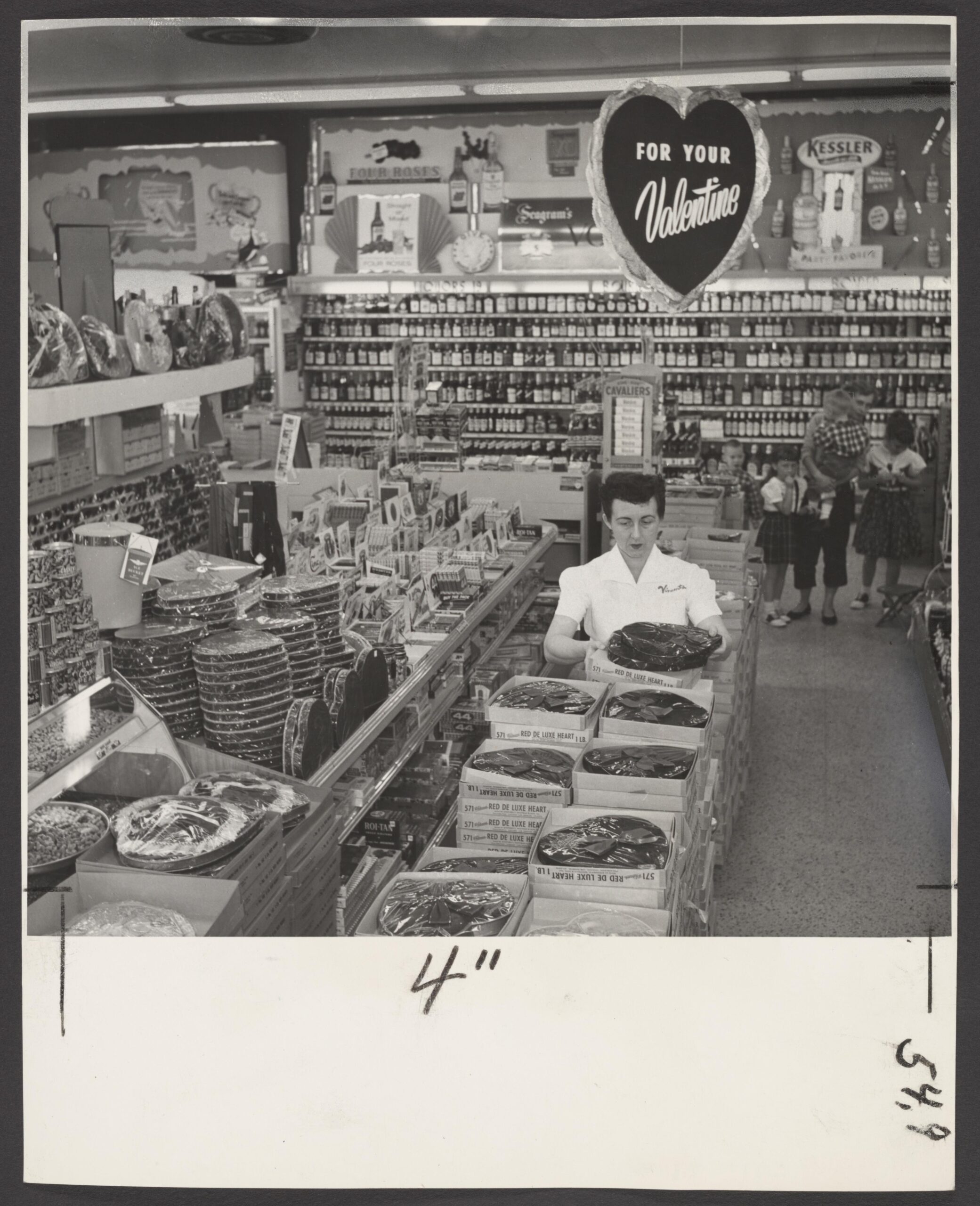
For pharmacists in particular, the holiday would provide a much needed boon to business. Many druggists noted a slump in sales around the winter time, especially among soda fountain staples like ice cream. One 1916 circular notes that Valentine’s day represented “a sort of starter for the spring trade” and suggested that storeowners capitalize on the holiday with elaborate displays, complete with streamers and papier-mâché cupids.
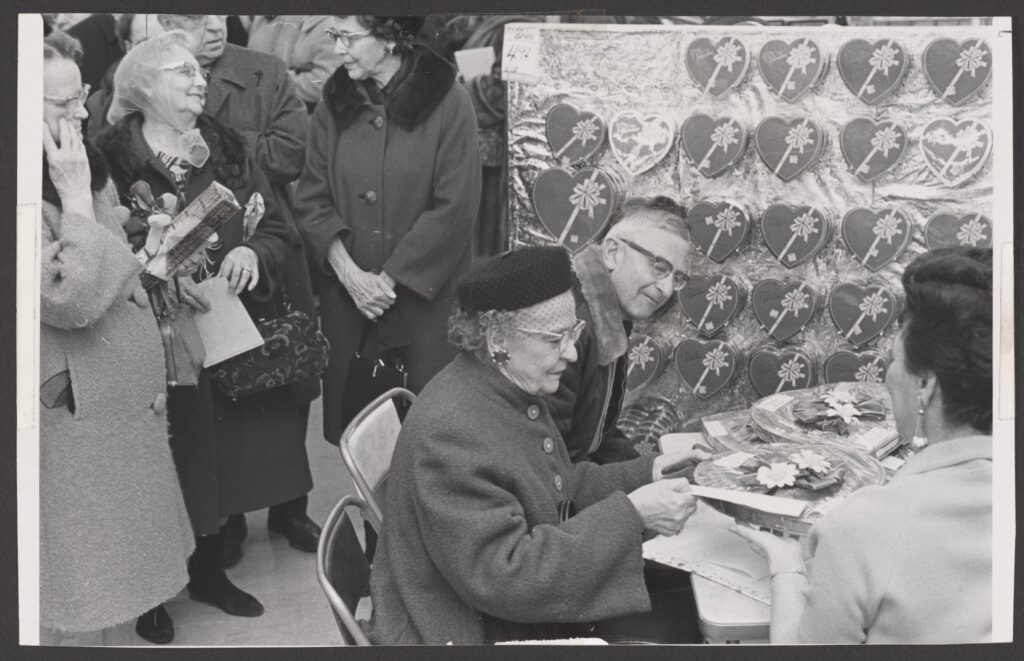
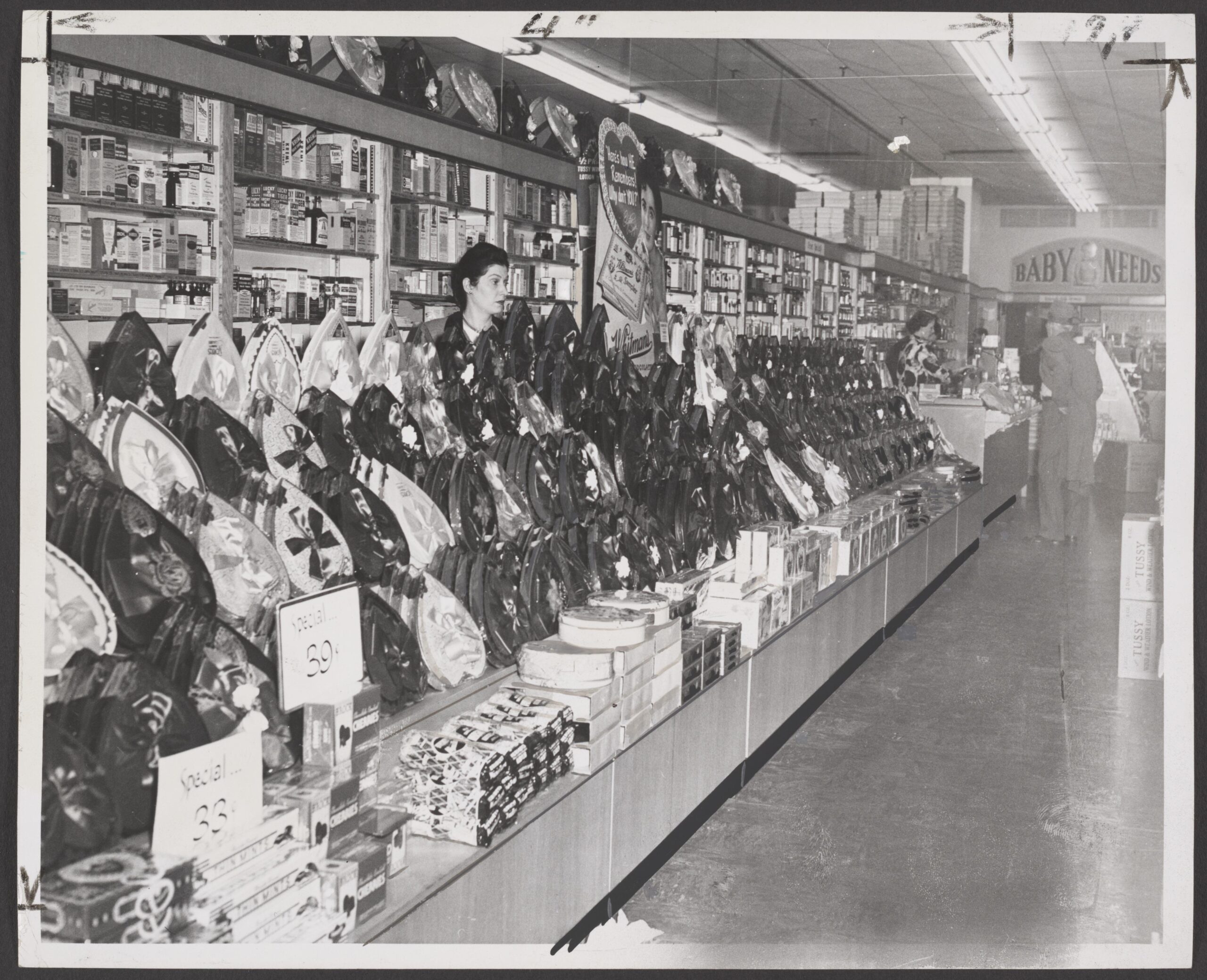
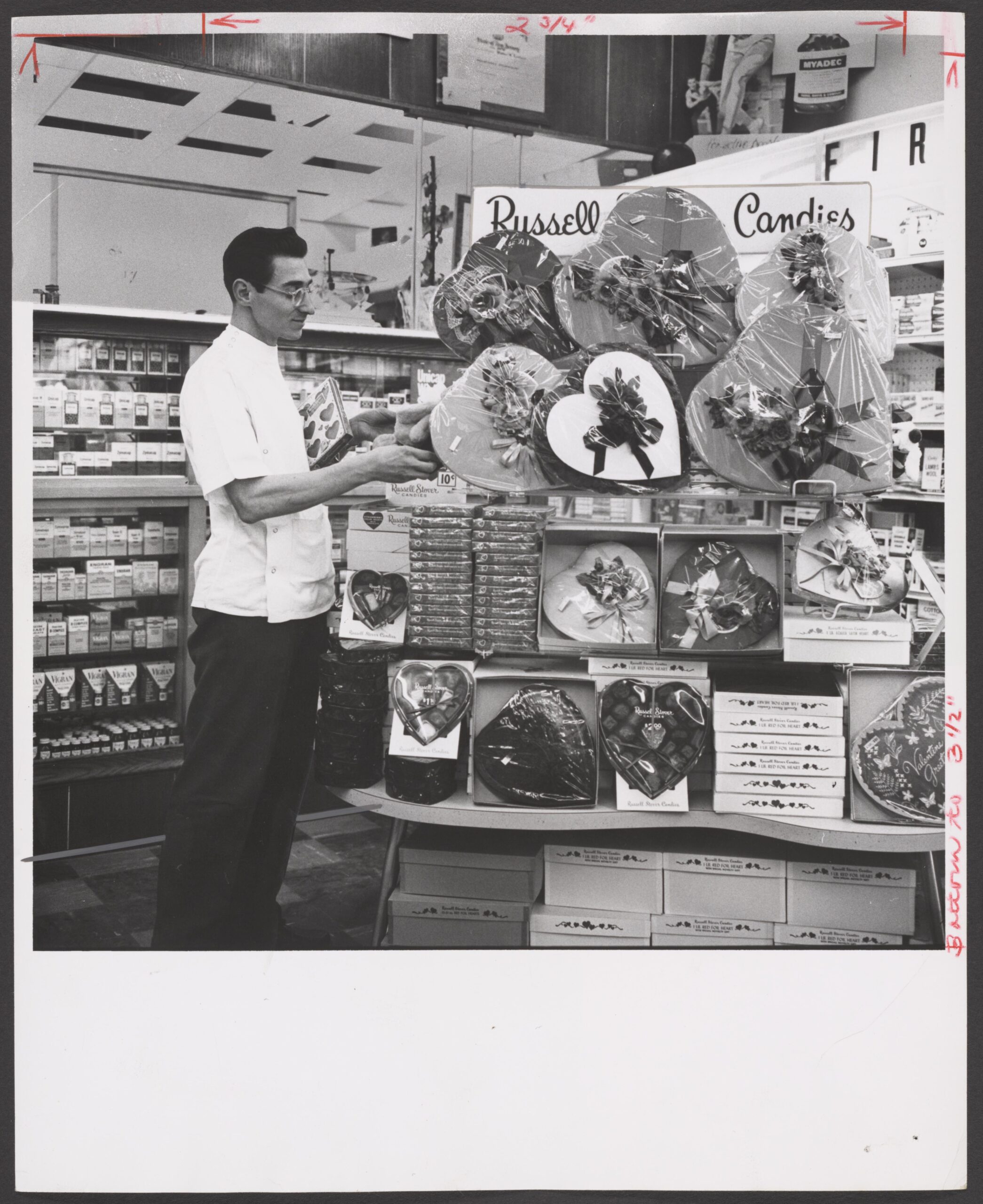
Of course, the practice of decorating windows and stores for Valentine’s Day continues well into the modern day, along with a number of other strategies that have been concocted to sell merchandise. Enjoy these images that show how pharmacists have celebrated the holiday historically.
This Dose of History is brought to you by AIHP Intern Leo Ryan
Bibliography:
Schmidt, Leigh Eric. “The Commercialization of the Calendar: American Holidays and the Culture of Consumption, 1870-1930.” The Journal of American History 78, no. 3 (1991): 887–916. https://doi.org/10.2307/2078795.
Wilmot, Russell. “When Hearts are Trumps–A Valentine.” The Druggist’s Circular, February, 1916. 126.