
The vitamin K shot is widely recommended by physicians and pharmacists worldwide for newborns, yet parents rarely consider its origins. The injection emerged from decades of scientific investigation, beginning with observational studies of hemorrhaging in chickens to become one of the most successful preventive measures against Vitamin K Deficiency Bleeding (VKDB) in neonatal medicine.
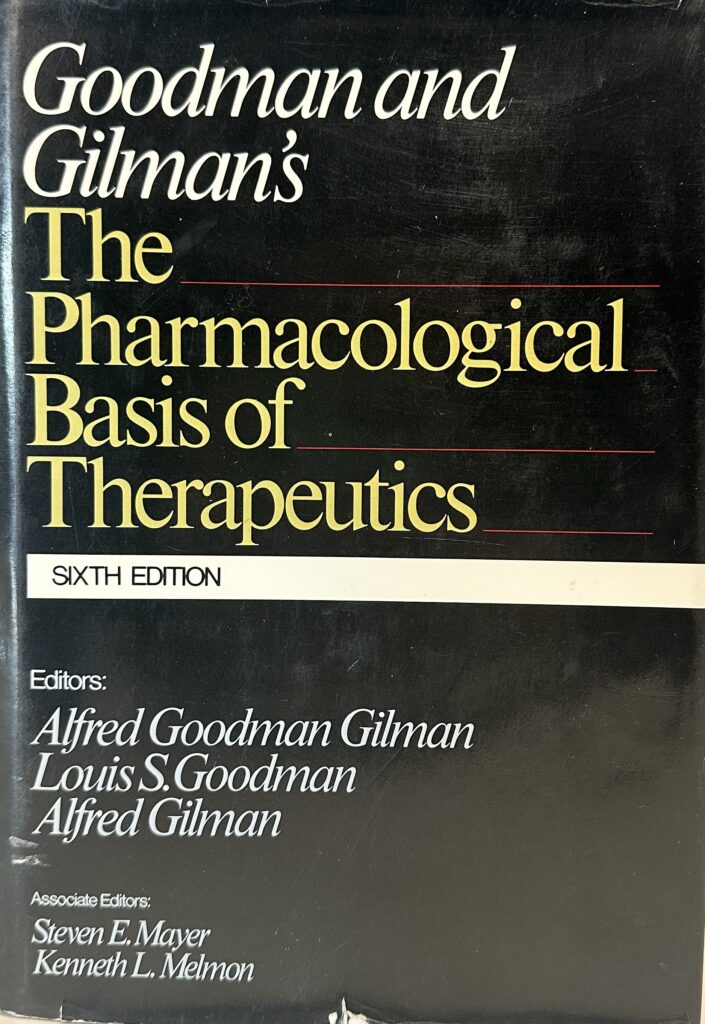
According to Goodman and Gilman’s “The Pharmaceutical Basis of Therapeutics,” the importance of sufficient vitamin K was first discovered in 1929. Henrik Dam, a Danish biochemist, observed how chickens developed bleeding following the consumption of a diet low in fats. His goal was to understand why diets low in fat produced bleeding and what would the outcome be if the diet was manipulated. Dam isolated the anti-hemorrhagic factor and named it vitamin K, short for Koagulations-Vitamin in German and Scandinavian languages. Building upon Dam’s work, Edward Doisy successfully purified and mapped the chemical structure of vitamin K from alfalfa and fish meal. He was able to then synthetically replicate the compound. Dam and Doisy went on to win the Nobel Prize in Physiology or Medicine for their work with vitamin K in 1943. Herman J. Almquist, an American researcher and nutritionist, and E. L. Robert Stokstad, a nutritional scientist, worked together at the University of California Berkeley. They conducted a similar study, but theirs focused on understanding why chicks with specified diets developed severe hemorrhaging. They found the chicks who suffered extreme bleeding were missing a key nutrient. Almquist and Stokstad identified this nutrient to come from alfalfa (a type of legume), which was later discovered to have high concentrations of vitamin K. Cumulatively, these discoveries proved that vitamin K was necessary for healthy blood clotting and laid the foundation for further research.
Following these discoveries, the question remained if these principles could be applied to humans, especially newborns. In 1938, Emory Warner, a researcher at the University of Iowa, collaborated with colleagues Kenneth Brinkhous and Harry P. Smith to investigate if vitamin K could prevent neonatal hemorrhaging. At the time, neonatal bleeding was a significant cause of infant morbidity and mortality as it can result in terminal brain damage. Their findings included that infants with low prothrombin, a protein necessary for the formation of blood clots, was correlated with neonatal hemorrhaging. Vitamin K enables the body to produce prothrombin and without it, the body lacks enough prothrombin to prevent bleeding. This study established the relationship between vitamin K and functional blood clotting, providing a link between neonatal health and proper nutrition. J.F. Pennock, a renowned researcher who published the “Occurrence of Vitamins K and Related Quinones,” discovered how vitamin K is synthesized in the intestinal tract and how vitamin K is composed of two naturally-occurring forms: vitamin K1 and vitamin K2. His advancements helped researchers classify and distinguish between different types of vitamin K.
By the early 1940s, doctors began administering vitamin K injections to newborns in the case of extreme bleeding. At this point in time, these injections have not obtained FDA approval. Jörgen Lehmann, a Swedish scientist, discovered the proper dose to administer to prevent hemorrhaging. He conducted a study using a sample size of 13,000 infants to determine the optimal dosage for prevention against hemorrhaging. The results indicated that a low dose of a 0.5 to 1 mg injection effectively prevented newborn hemorrhages.
Following Lehmann’s discovery, water-soluble vitamin K injections became increasingly popular in the 1950s. However, researchers and providers disagreed about the appropriate dose. Some recommended 5 mg, but that dosage was observed to be a risk factor for the development of neonatal hyperbilirubinemia. The American Academy of Pediatrics recommended that all healthy-weight newborns receive a singular 1mg vitamin K injection to protect against extreme bleeding in 1961. This recommendation became widely adapted by providers and set the standard for early prevention measures against infant hemorrhaging.
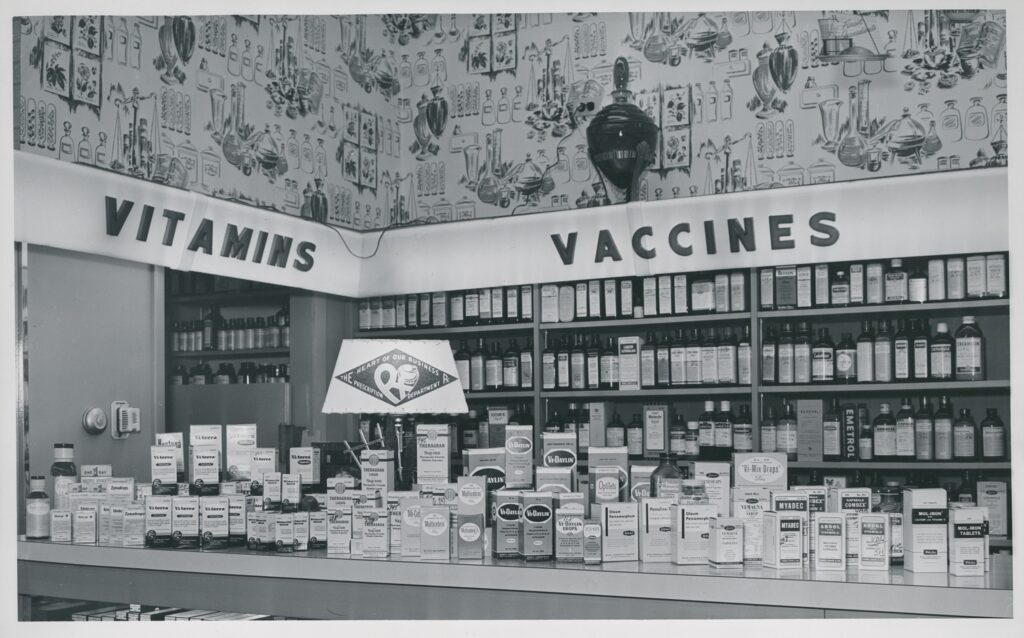
The scientific discovery and development of vitamin K prophylaxis reflected broader twentieth-century trends toward preventive medicine and evidence-based interventions aimed at reducing infant morbidity and mortality.
The injection is widely recommended by healthcare professionals, though some parents decline the injection for their child. This practice has been a part of history for 65 years and is an integral part of newborn care since. Parents cited many reasons as to why they are reluctant to give their infant the injection, the most common being the ingredients, pain, and the belief that an oral supplement of vitamin K would be equally effective. Oral vitamin K regimens are available in some countries, but they typically require multiple doses and have generally been found to be less effective than intramuscular prophylaxis at preventing late VKDB. This hesitancy highlights the importance of understanding pharmacy history and scientific discoveries for the purpose, safety, and benefits of vitamin K prophylaxis.
It has been almost 100 years since the discovery of vitamin K, and prophylaxis remains a standard component of neonatal care. Its rich history demonstrates how scientific research, experimentation, and public health converged to address a once-common driver of infant mortality.
References:
Loyal, J., & Shapiro, E. D. (2020). Refusal of Intramuscular Vitamin K by Parents of Newborns: A Review. Hospital pediatrics, 10(3), 286–294. https://doi.org/10.1542/hpeds.2019-0228
The. (2025). Why newborns need the vitamin K shot at birth. Chop.Edu. https://www.chop.edu/pediatric-health-chat/vitamin-k-newborn-baby
Neonatal Vitamin K Refusal Increasing | InfantRisk Center. (n.d.). Infantrisk.Com. Retrieved September 23, 2026, from https://infantrisk.com/content/neonatal-vitamin-k-refusal-increasing
Stachowiak, A., & Furman, L. (2020). Vitamin K is necessary for newborns. Pediatrics in Review, 41(6), 305–306. https://doi.org/10.1542/pir.2019-0146
Ehling, L. R. (1961). Hemorrhagic disease of the newborn. American Journal of Diseases of Children, 101(2), 241–248. https://doi.org/10.1001/archpedi.1961.04020030105016